

Ecuador x CARE
The Wellspring of Change: Women, Water, and Transformation
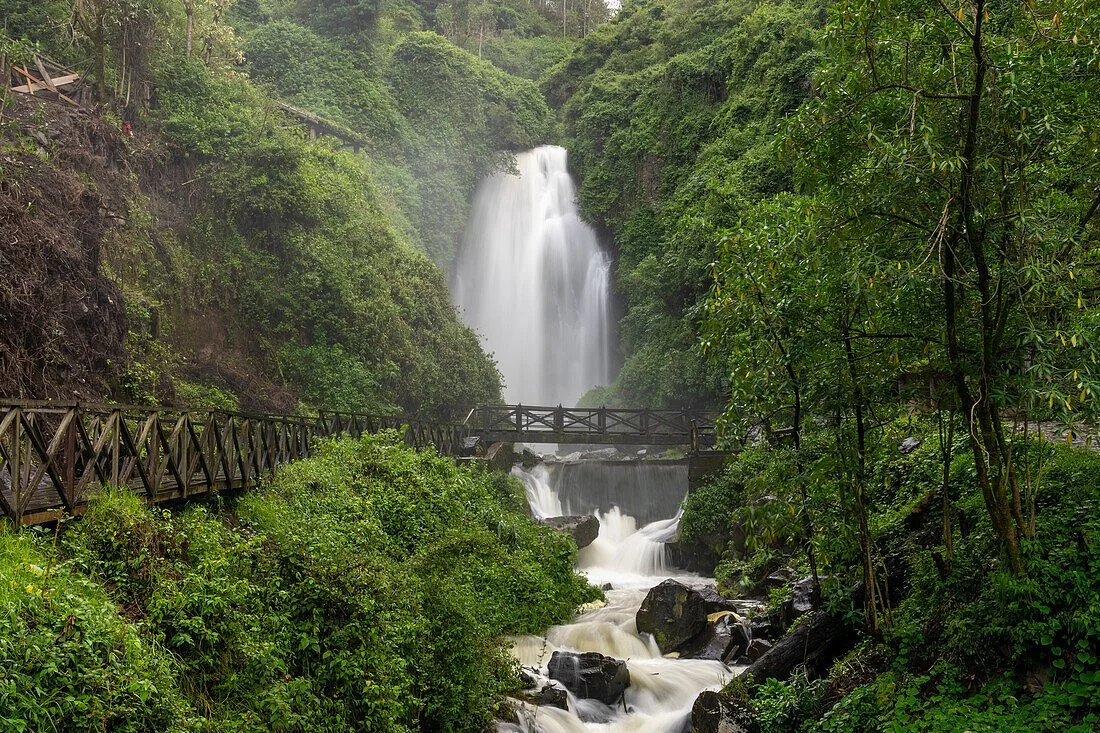
Venture into Ecuador’s highlands, a place that feels like a secret world tucked into the clouds—where water is born in mist and silence, then comes alive. Here, children can splash their hands in warm mountain springs, follow hidden waterfalls through fern-filled forests, and watch glassy lagoons mirror snow-capped volcanoes. Clouds drift so close you feel you could step right into them, and every bend in the trail feels like discovering a new chapter of a story. Here, clouds brush the hillsides as water begins its journey toward the Amazon and the world beyond.
Though small, Ecuador plays an outsized role in our planet’s health. Rivers flowing from these highlands feed the Amazon Basin and help carry nearly 20% of the world’s freshwater to the ocean. What happens here matters everywhere.
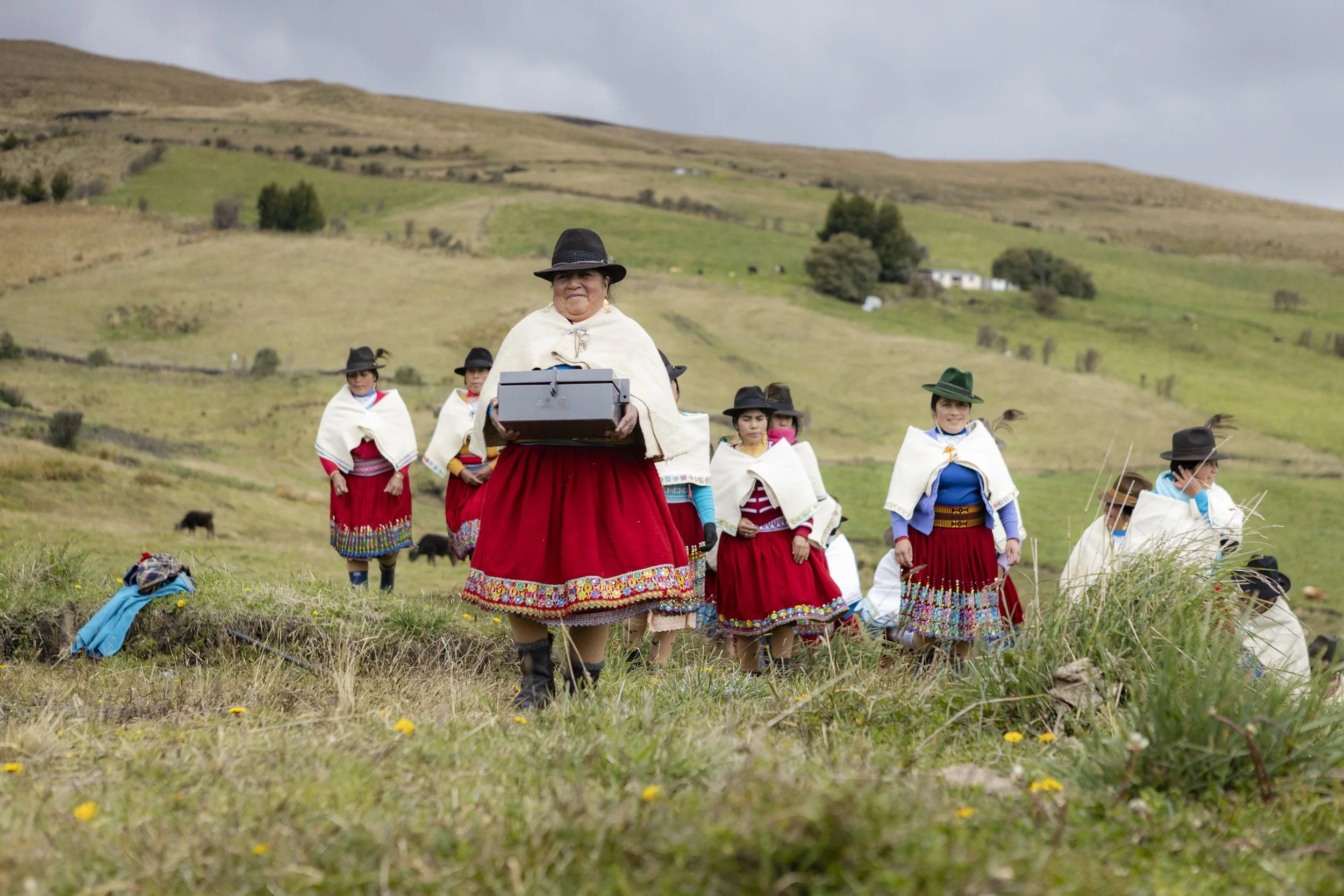
Alongside our nonprofit partner, CARE, we will follow this water’s path and meet Ecuadorian women who protect fragile ecosystems while building livelihoods rooted in care and leadership—often with their children beside them, learning that protecting water also means protecting community.
This AtlasDaughters cohort of grandmothers, mothers, and children will travel together through this living system—exploring, listening, playing, and learning side by side. Through the universal language of water, families will discover how empowered women and children can protect something vast and life-giving—and how even small hands and curious hearts can help shape a hopeful future as it flows forward. Magical moments of awe await to invigorate all of the senses amidst the backdrop of the wonder of Ecuador.
June 23 - 30, 2027
Grandmothers, Mothers and Children (suggested ages 8 – 13)
Part 1
The Journey of Water
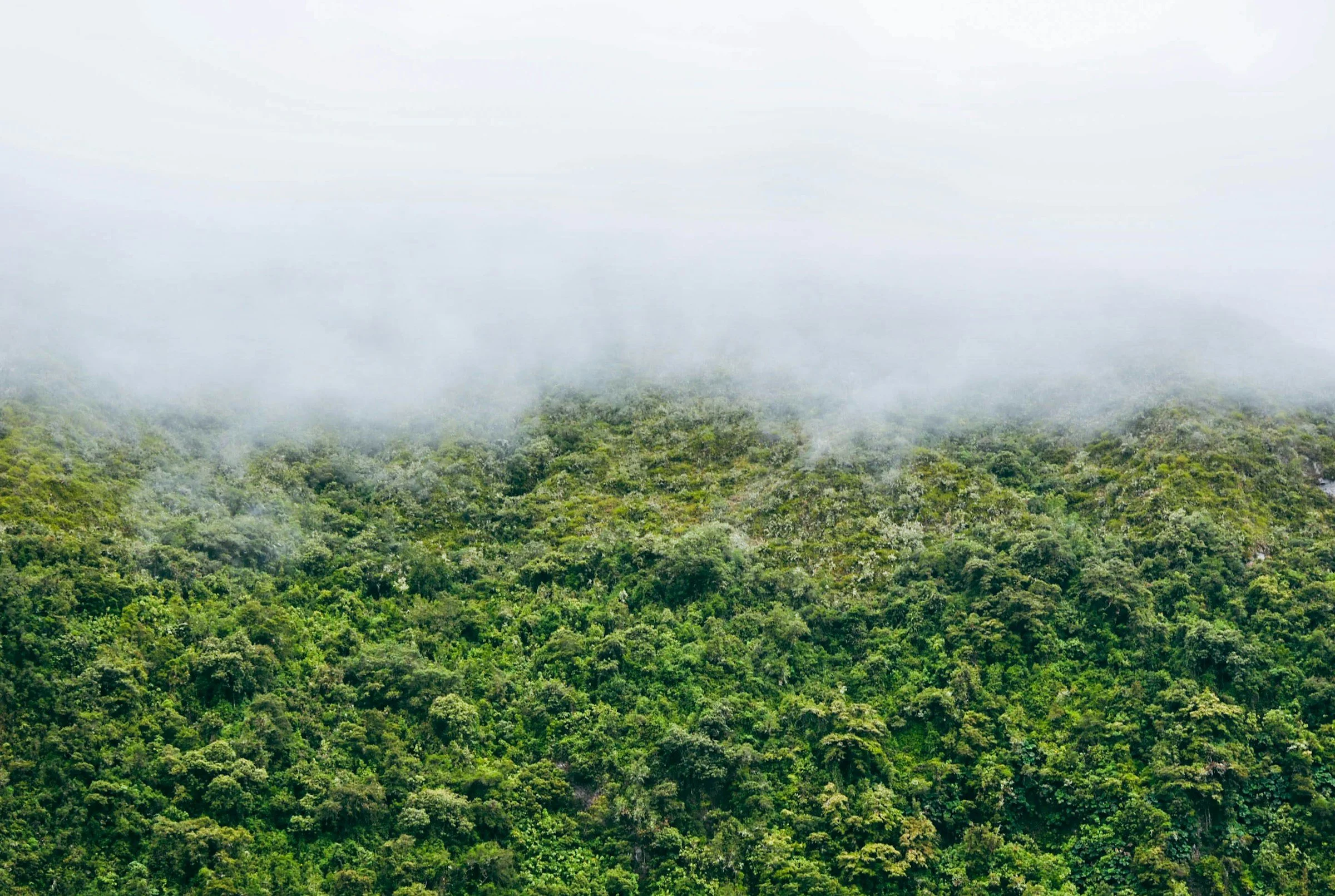
Before our feet ever touch the Andes, the journey begins at home. Water connects us all—from the high moors of the Andes to the vast Amazon Basin, moving through clouds, rivers, oceans, and back again in a cycle that helps regulate our global climate. The same water flowing past our homes is connected to the water we will follow in Ecuador.
In the weeks leading up to the trip, children will step into the role of water detectives to set context for the journey ahead. Through a Sustainability Challenge, they will track their daily water use—counting showers, noticing faucets, observing gardens—and design creative ways to reduce it. Small choices become powerful lessons, helping children explore two essential global issues: sustainable consumption and access to safe drinking water. By the time we travel, water is no longer abstract. It is deeply personal.
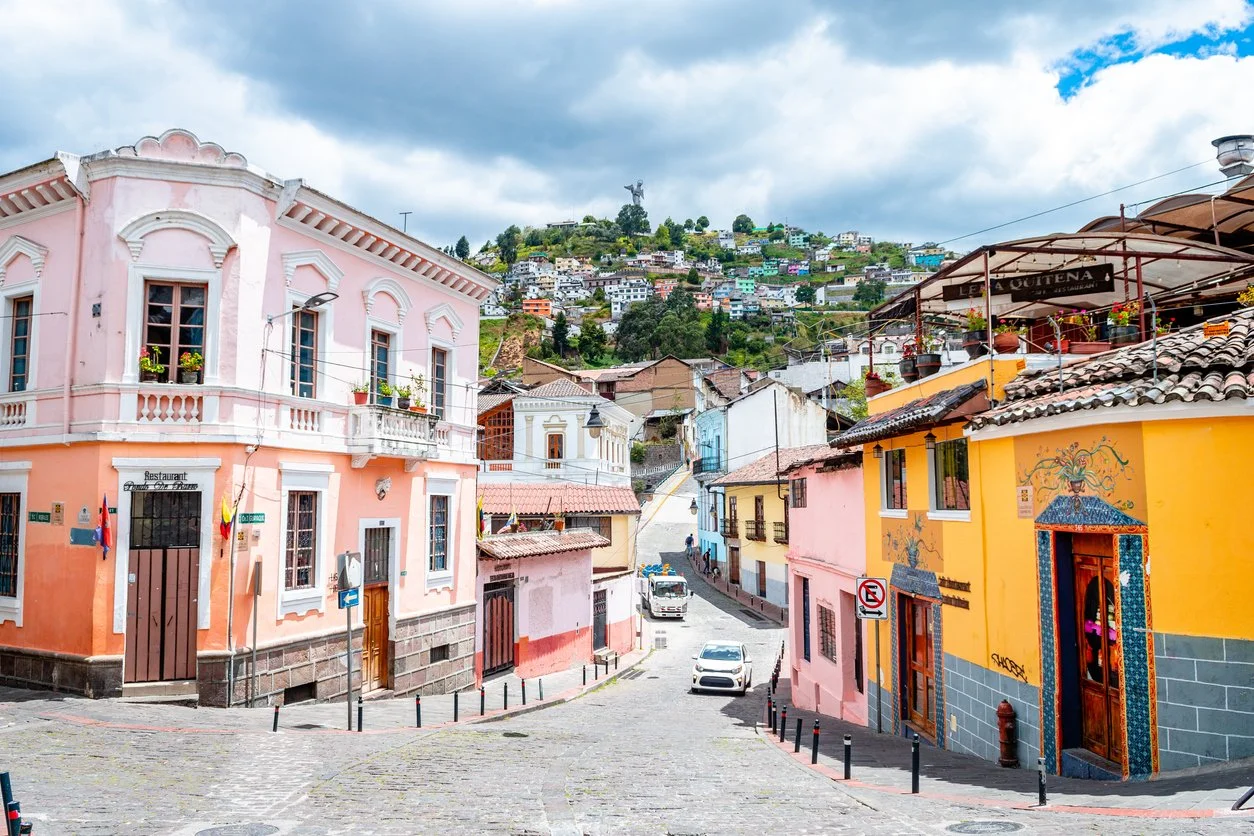
We arrive in Quito, a stunning colonial city perched high in the Andes, where the air is thin and rivers begin their long descent toward the Amazon. Intention setting sets the tone for the trip as we settle in and frame the importance of water. From the Yaku Water Museum, overlooking layered neighborhoods and winding streams, we trace water’s story—how it sustains life, how cities depend on it, and how climate change strains its delicate pathways. We set our intention as this bountiful country welcomes us with open arms.
Here, we get inspired by young water leaders working with UNICEF—children not much older than those in our cohort—already stepping into roles as guardians of their environment. In the UNESCO-listed Historic Center, we walk along ancient canals and colonial streets, discovering how water shaped the city’s past and how it will determine its future.
That evening, we have the unique opportunity to gather with some of Latin America’s most courageous women water defenders—river guardians, Indigenous leaders, scientists, and global advocates. Their stories are not lessons from afar. They are living proof of what happens when people decide to protect what sustains us all.
Tracing Water to Its Source: The Highlands
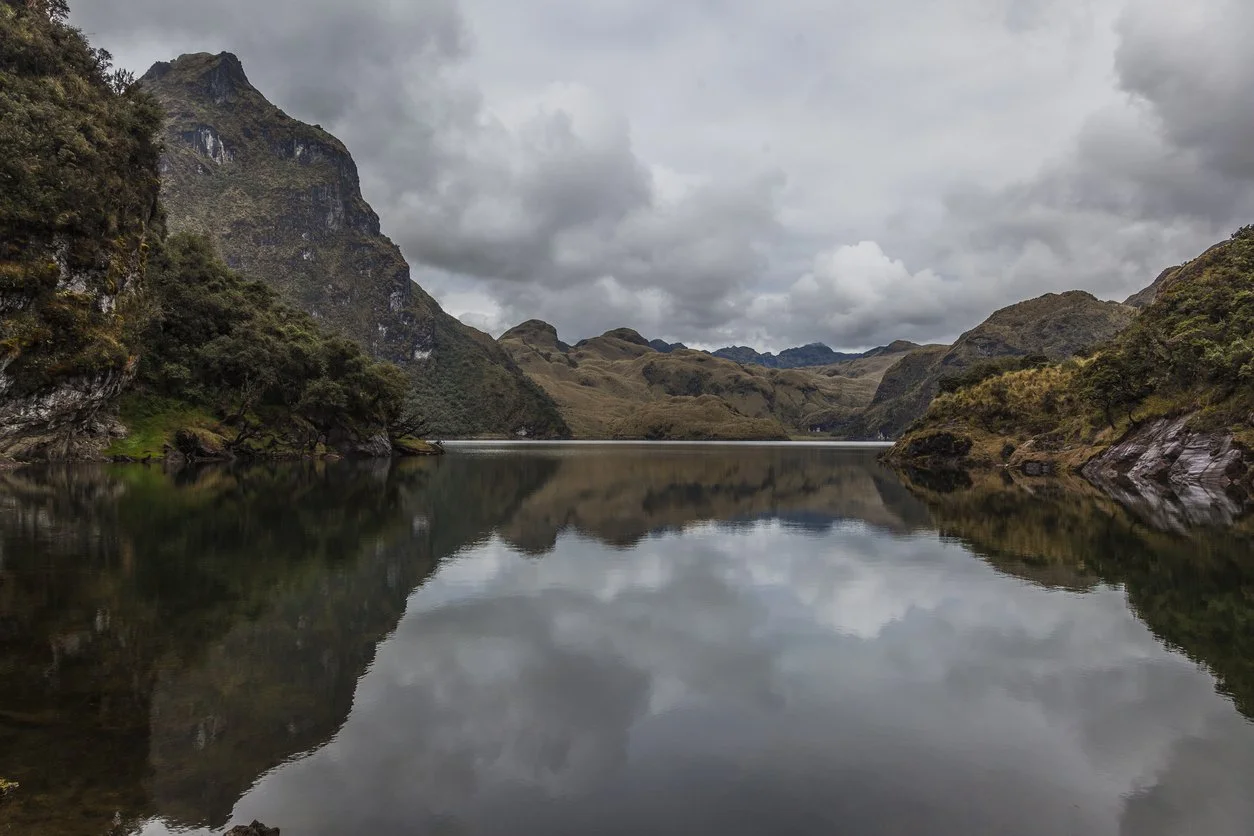
Leaving the city, we travel north into the Cayambe Coca Ecological Reserve, where water first gathers in high-altitude lagoons surrounded by volcanic peaks. Surrounded by lush mountain slopes, the lagoons, known for their deep, dark water and storied medicinal properties, provide the perfect setting to continue our educational journey on water. With scientists and the Quito Water Fund, children become citizen scientists—collecting water samples, observing microbial life, and comparing pristine mountain sources with urban water from Quito. Science becomes tangible, playful, and deeply meaningful.
We are joined by women agroecological leaders protecting the páramo ecosystem, who share how biodiversity, agriculture, and women’s leadership are intertwined. In the evening, we soak in the mineral-rich thermal pools at Papallacta, resting where water rises warm from the earth’s core.
Community, Culture, and Resilience
Our journey continues to La Esperanza, where an Indigenous community welcomes us with ancestral rituals honoring water and land. We tour the local Water Board, learning how traditional harvesting systems and firebreaks protect communities from drought and wildfire. Over lunch, children from both communities play traditional games—laughter becoming its own universal language while our mothers meet at Mojanda Lagoon with women leaders who share how conservation, economic resilience, and cultural heritage are inseparable. AtlasDaughters workshops contextualize how so many different partners from NGOs to families to indigenous community leaders and local government come together to partner on lasting change.
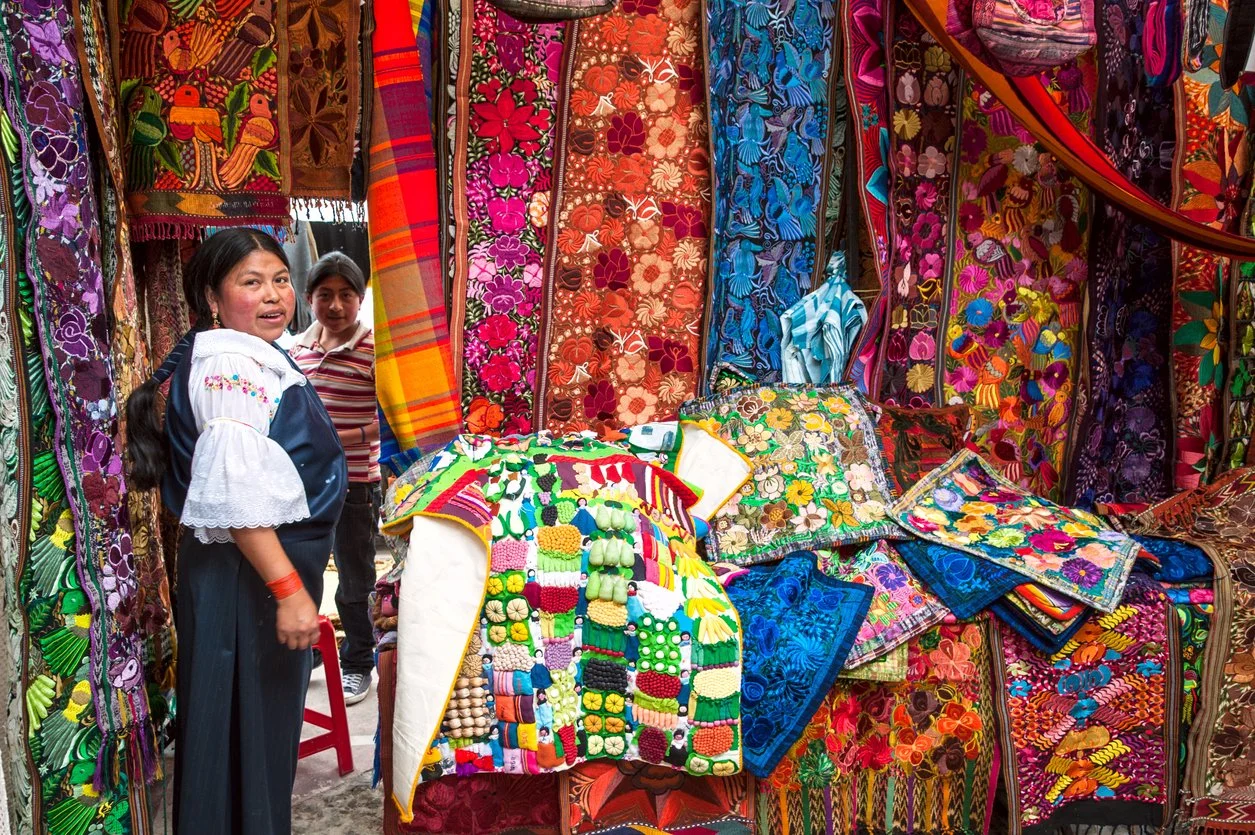
Later in the day, Otavalo welcomes us to the city known for bright and vibrant culture, alongside one of the largest central markets in South America. Our cohort engages here with the lifeblood of our program - savings groups and youth financial programs – to learn how small tools such as savings circles, loans and shared enterprises—can transform families’ futures.
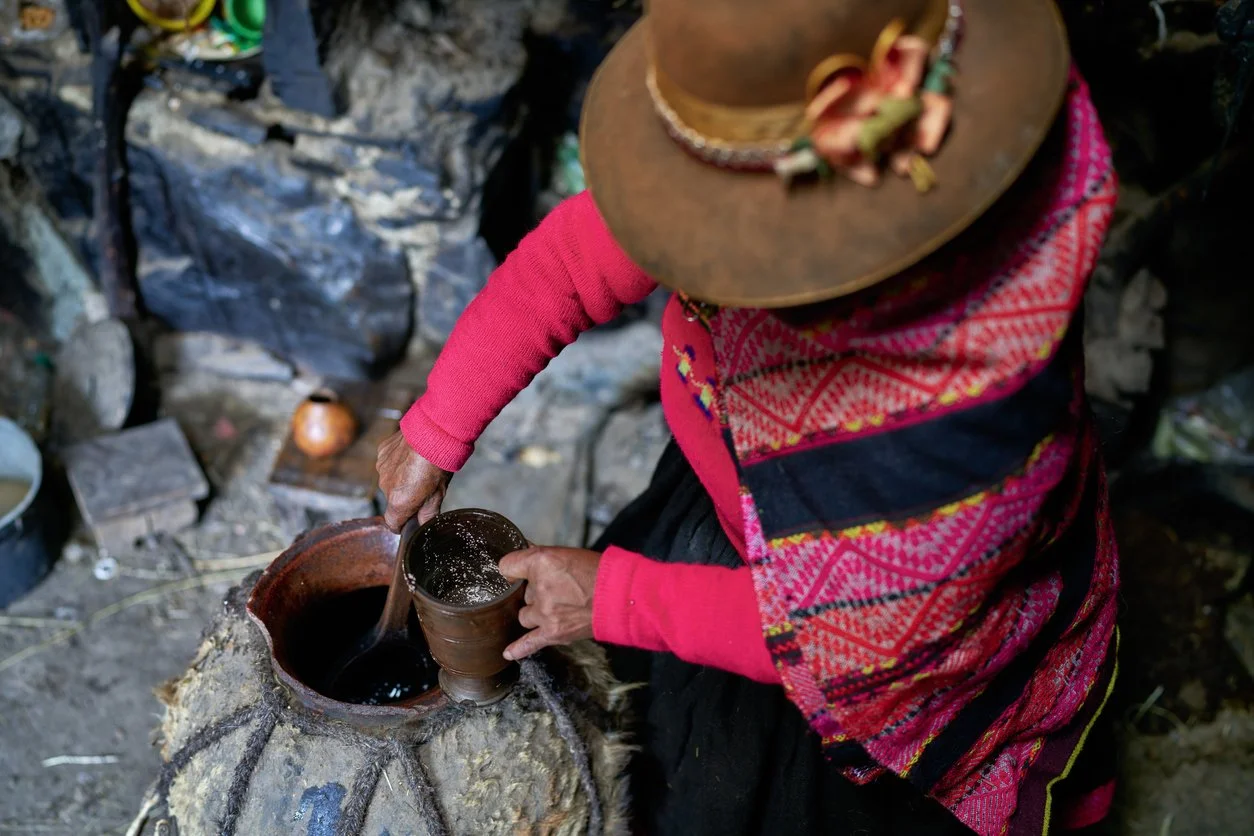
Our senses become elevated as we meet indigenous women turning the ancestral drink chicha de jora into thriving businesses, and watch youth dance groups express their hopes and identity through movement. Culture here is not static; it is alive, entrepreneurial, and forward-looking. A day would not be complete without plenty of time to visit the world famous market.
Part 2 Reflection and Legacy at Hacienda Zuleta
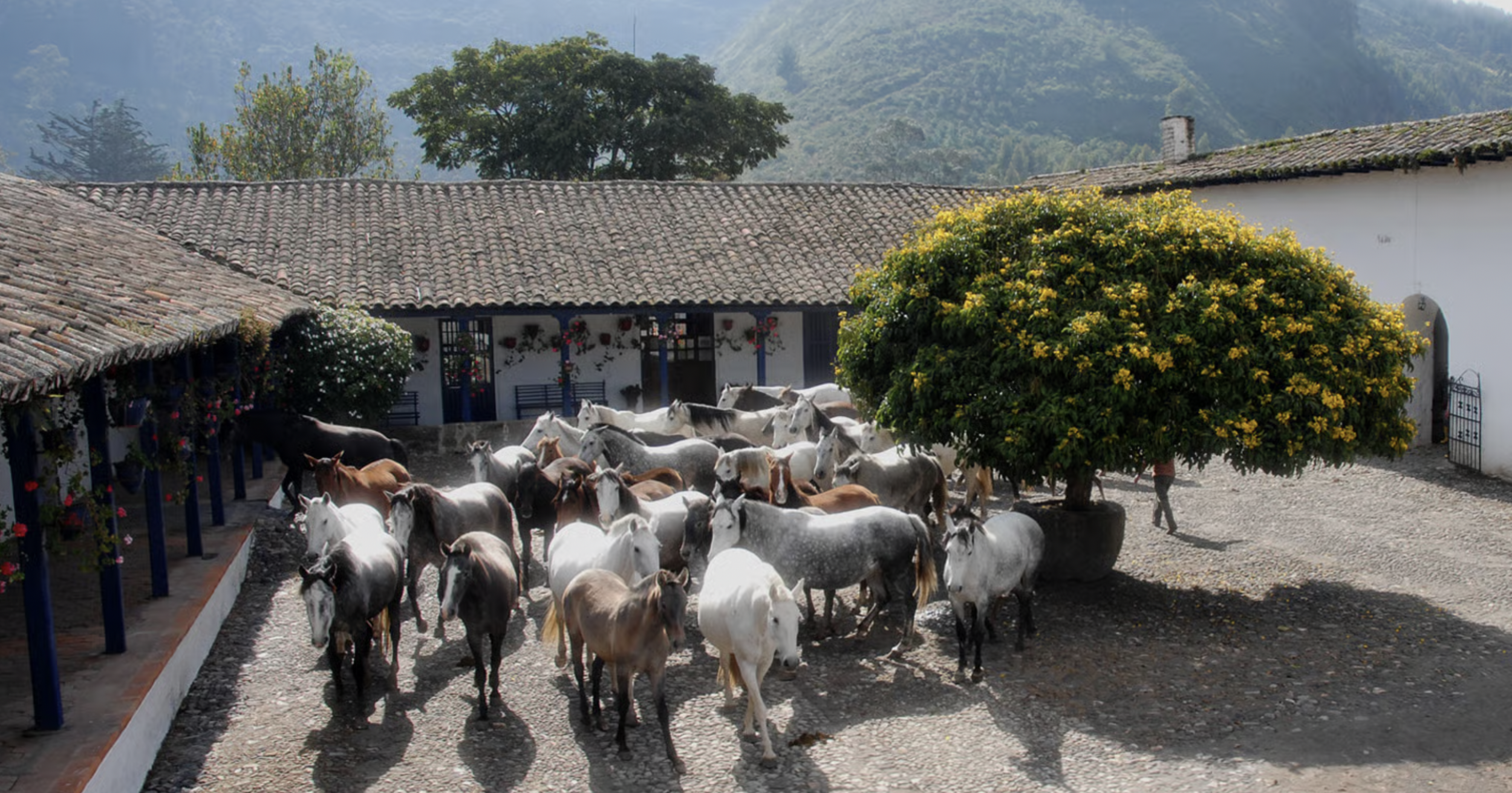
We will culminate our journey thus far, along the “Avenue of Volcanoes,” at the stunning historic Hacienda Zuleta—a 17th-century working farm that once belonged to Ecuador’s president and left to his daughters who manage the property. Here, set across pine forests, pastures, and cloudy forest trails, we slow our pace amidst the backdrop of the majestic misty mountains and surrounded by the hundreds of horses this incredibly special place call home.
Through AtlasDaughters workshops, families deepen their learning and reflect on what they’ve seen—transforming experience into values, storytelling into action, and philanthropy into a shared family practice. Mothers and children explore conscious financial literacy, global citizenship, youth leadership and how to carry these learnings home.
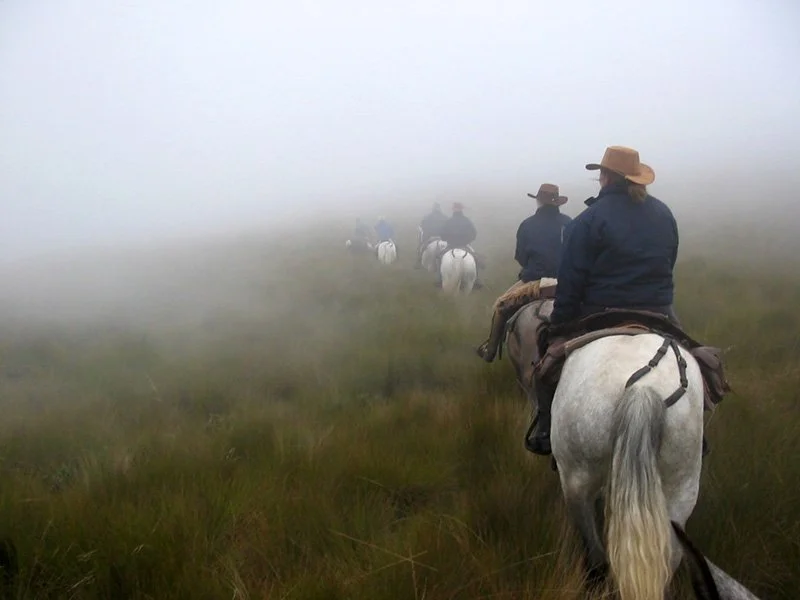
Life at Zuleta offers quiet magic: children milking cows, building straw houses, and treasure hunting across the estate; mothers learning traditional embroidery from local artisans; horseback rides through misty forests; and visits to Condor Huasi, where conservationists protect the astonishingly beautiful, albeit large, Andean condor.
A farm-to-table culinary celebration closes our time together, using ingredients grown on the property—food as a final expression of land, water, and community.
A Journey Beyond Travel
This journey goes beyond travel. It is a pilgrimage into the origins of water and the power of women as its protectors. It is a rare moment of intergenerational connection—grandmothers, mothers, and children learning together in the landscapes where global climate futures are being decided. Unbreakable bonds are created through this once in a lifetime adventure as travelers form deep connections and our children become inspired and empowered to begin seeing themselves as future change agents and global citizens.
By following the path of water, we discover something more enduring: how empowered families—across continents—can become stewards of the planet, catalysts for equity and sustainability and the architects of a hopeful, regenerative future. Our travelers will continue to connect with each other and project leaders well into the future as they are continually engaged on the project’s evolution in the years ahead.
Moments Children Will Treasure
Wandering rainbow-bright streets in Quito, tasting real Ecuadorian chocolate along the way
Chasing waterfalls, discovering secret water holes, and splashing where few others go
Becoming “citizen scientists,” exploring nature hands-on like real-world explorers
Spotting wild llamas grazing freely in the highlands
Soaking in warm, steamy hot springs surrounded by mountains
Playing traditional Ecuadorian games with local kids and making new friends
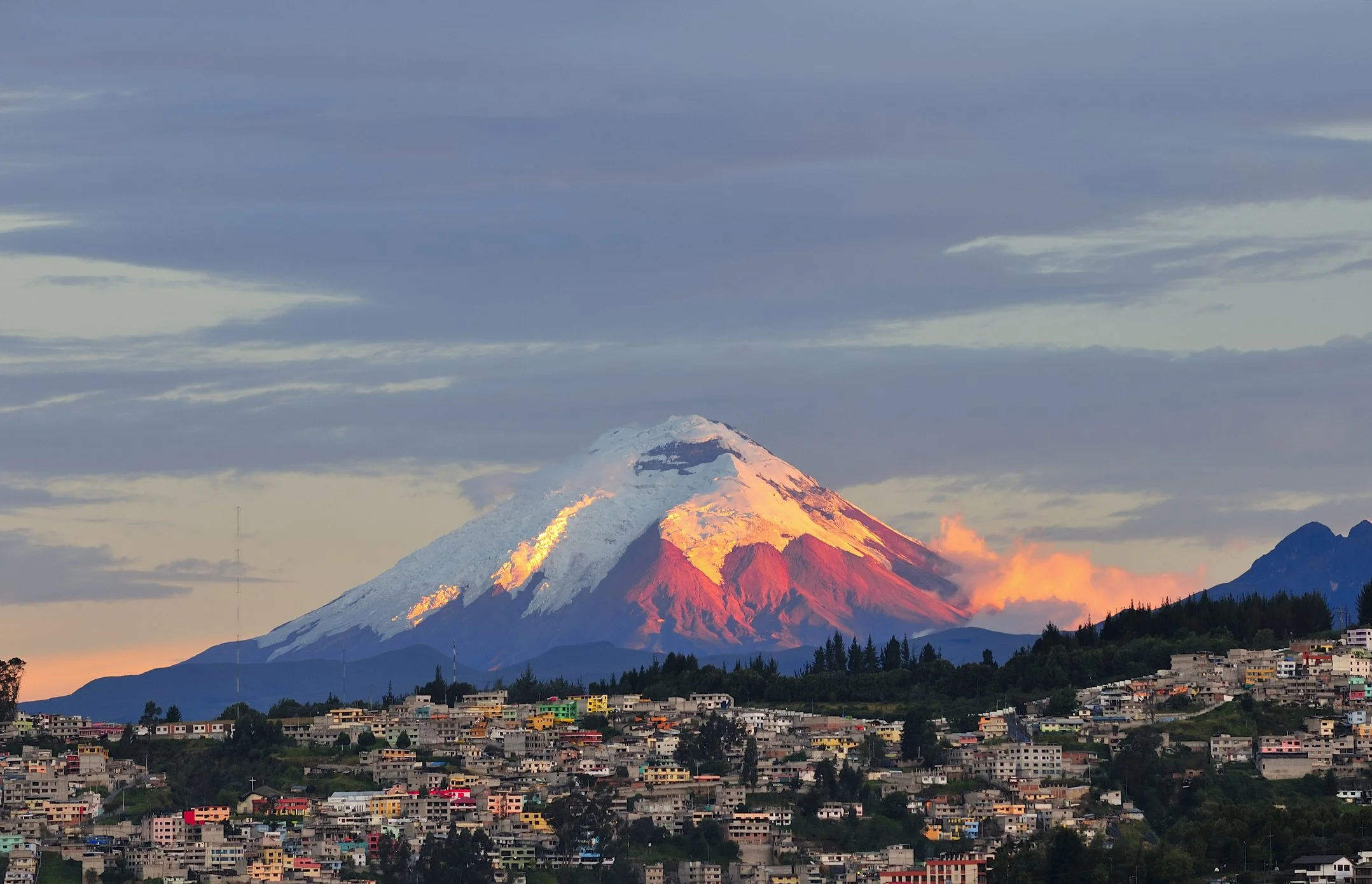
Standing in awe beneath snowcapped volcanoes in the misty highlands
Exploring the Otavalo Market on a color-and-texture treasure hunt, meeting artisans, tasting new flavors, and choosing one handmade treasure with a story
Learning to play Andean instruments from local musicians
Watching the Andean condor soar—one of the largest birds on Earth
Waking up to horses outside the window and riding into the mystical forest
Living hacienda life: milking cows, building straw huts, learning to lasso, cooking with farm foraged ingredients, experiencing the onsite cheese factory and following clues on a magical treasure hunt across the land
Creating lasting memories on the trip of a lifetime with their mother
About our
nonprofit partner
CARE

Founded in 1945 with the creation of the original CARE Package®, CARE has evolved from a relief agency into a global leader in sustainable development. Today, we work in over 120 countries, reaching more than 50 million people annually. Our mission is built on a simple, proven premise: poverty is a complex problem, but the solution often begins with a woman. We do not view women simply as the people most affected by poverty; we view them as the architects of the solution. When a woman is healthy, educated, and financially independent, she lifts her family and her entire community with her. This multiplier effect drives every aspect of our work.
CARE is unique in its ability to work across the full spectrum of need. We are on the frontlines when disaster strikes, delivering lifesaving aid, but we stay long after the cameras leave to help communities rebuild. Our locally-led programs create lasting infrastructure—from clean water systems to women-led savings groups—that ensures families don't just survive but thrive for generations to come.
Co-funding Investment: Protecting Water, Empowering Women, and Securing the Future
A $1 Million Catalytic Investment Supports Hundreds of Leaders and Farmers Across Four Provinces
In the high Andes, water is not just a resource; it decides whether a family can farm their land or if they are forced to migrate to the city.
The "Páramo"—the high-altitude wetlands where we will travel—supplies water for millions of people, far beyond the mountains. But climate change is making dry seasons longer and unpredictable. Communities are being asked to adapt faster than they can handle.
The Solution: Historically, women have carried the burden of finding water, but men have held the power to decide how it is used. We are changing that. When women have a seat at the table, water is managed better, farms produce more, and families stay together.
The Investment: An investment of $800,000 to $1 million will support this work across four provinces. This investment will put the power of water management into the hands of the women and young people who need it most.
How It Works: We are connecting community savings groups (small savings and loans groups run by women) with water protection and conservation.
Through savings groups, women get access to loans to buy drip irrigation systems, meaning they can grow food without draining the water supply.
We train women to lead local Water Boards, ensuring the people who manage household water are the ones making the decisions.
What Your Investment Will Do: This initiative is designed to deliver concrete results:
300 New Leaders: We will train 300 women and youth to take decision-making seats on local Water Boards and government councils.
1,000 Climate-Smart Farmers: We will teach 1,000 people (mostly women) how to farm in a way that protects the soil and saves water.
Economic Independence: We will launch or strengthen 65 savings groups. These groups will help fund small businesses that generate income while protecting the environment.
Next Generation: 1,000 children will go through our "Water School," learning how to be the guardians of their environment.
Why Now?
Drought is a reality. Farmers are delaying planting because the rain isn't coming. Acting now prevents a deeper crisis later.
Currently, only 30% of Water Boards are led by women. We need to close that gap to ensure communities survive and thrive for the long term, because investing in women’s leadership is the fastest way to lift communities out of poverty.
When water runs out, migration is the only option. Protecting water keeps families rooted in their homes.
Join us on this unforgettable journey
We invite you on a journey of adventure, deep human interconnectedness, discovery and impact.